|
|
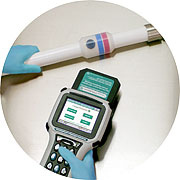
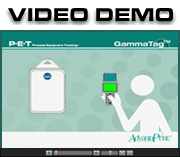
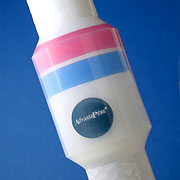
GammaTag is the only read/write RFID tag that is gamma-sterilizable. It is ideally suited for use with the Verigenics Hose Track System.


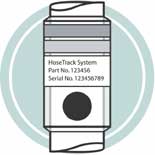
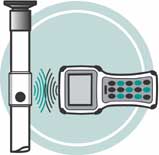
 Hose Track® offers a new degree of safety and reduced risk for the pharmaceutical processing industry, as well as other high purity applications in the food and beverage, cosmetic, chemical, and biomedical sectors. Using RFID (radio frequency identification) technology, all process equipment involved with a particular batch of product is monitored from start to finish. Briefly stated, Hose Track tracks who did what to each batch and when. It's a logical approach to tracking all critical process components.
HOSE TRACK HIGHLIGHTS
CLICK HERE FOR MORE INFORMATION ON HOSE TRACK
(takes you to the Verigenics website)
|
||||||||||||||||||||||||||||
 RFID products are now
HOME | GAMMATAG | HOSE TRACK | P•E•T
©2006-2015 NewAge® Industries, Inc. All rights reserved worldwide.
Developed in partnership with  , experts in pharmaceutical process technologies.